Optimal Timing for HVAC System Replacement
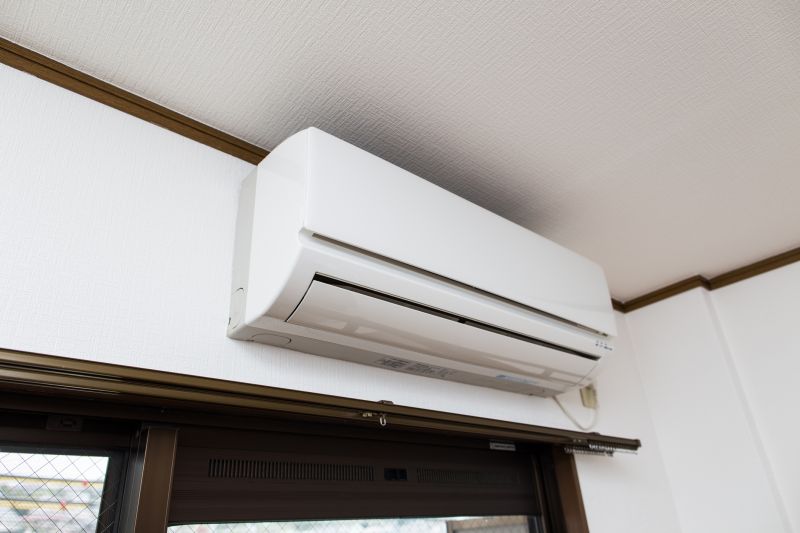
Spring offers moderate temperatures, making it ideal for replacing HVAC systems without extreme weather disruptions.
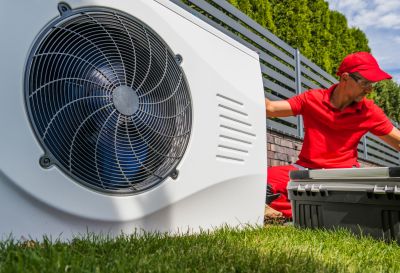
Fall provides cooler weather, allowing for system installation before the peak heating or cooling seasons.

Replacing HVAC systems during off-peak seasons can lead to faster service and potential cost savings.
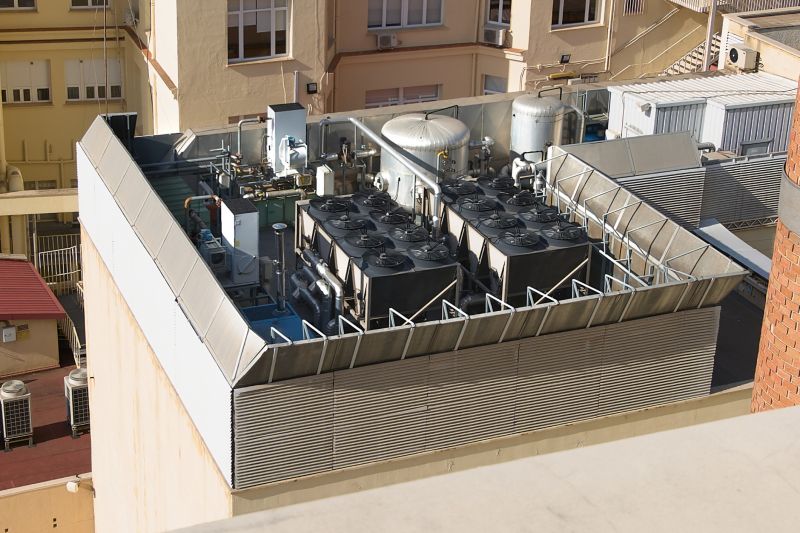
Ways to make Hvac System Replacements work in tight or awkward layouts.
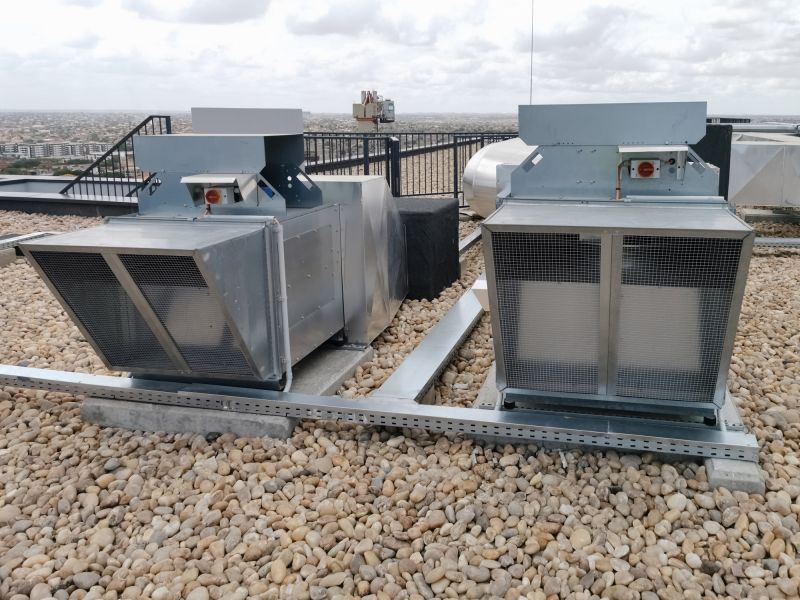
Popular materials for Hvac System Replacements and why they hold up over time.
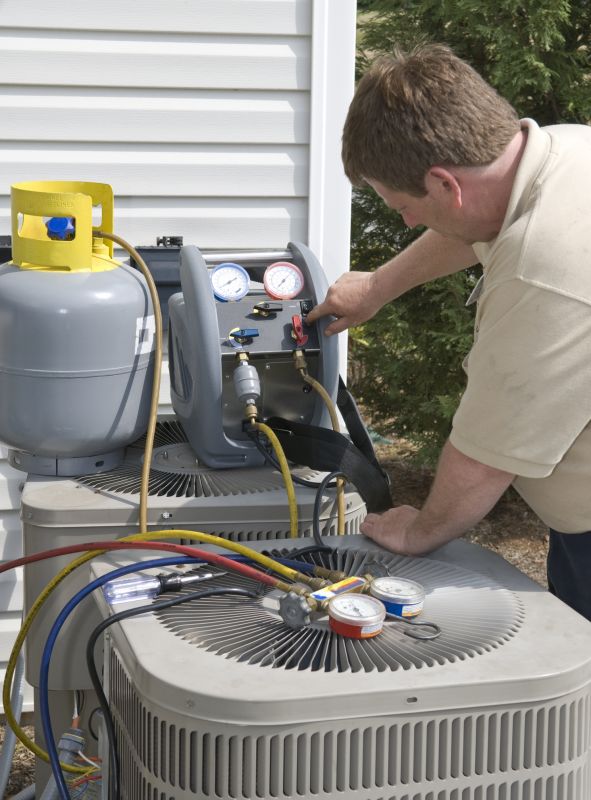
Simple add-ons that improve Hvac System Replacements without blowing the budget.
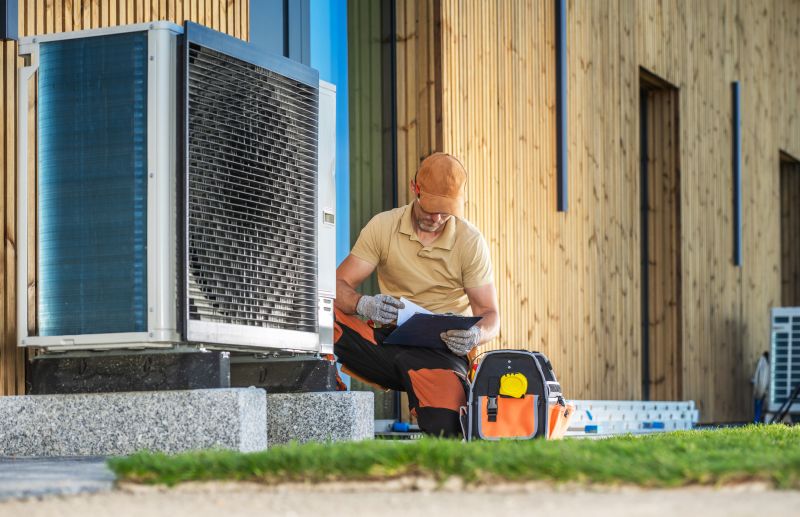
High-end options that actually feel worth it for Hvac System Replacements.
Finishes and colors that play nicely with Hvac System Replacements.
HVAC system replacements are significant upgrades that can improve energy efficiency, indoor comfort, and system reliability. The timing of replacement can impact installation ease, cost, and system performance. Properly scheduled replacements can prevent unexpected failures during peak usage periods and ensure continuous climate control.
Statistics indicate that replacing an aging HVAC system before it completely fails can reduce energy costs by up to 30%. Equipment efficiency declines over time, with older systems consuming more power and providing less effective heating or cooling. Planning replacements during favorable weather conditions minimizes disruption and allows for thorough installation without extreme outdoor temperatures.
Frequent breakdowns, rising energy bills, and inconsistent temperatures suggest it may be time for a new system.
Upgrading before failure ensures energy savings, improved comfort, and reduced repair costs.
Spring and fall are generally best for system upgrades due to milder weather and availability.
Extreme summer or winter conditions can complicate installation, making moderate seasons preferable.
Spring provides ideal weather for efficient installation and testing.
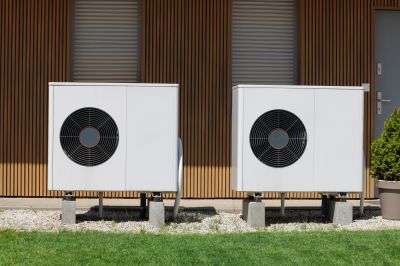
Fall allows for system setup before extreme weather conditions set in.
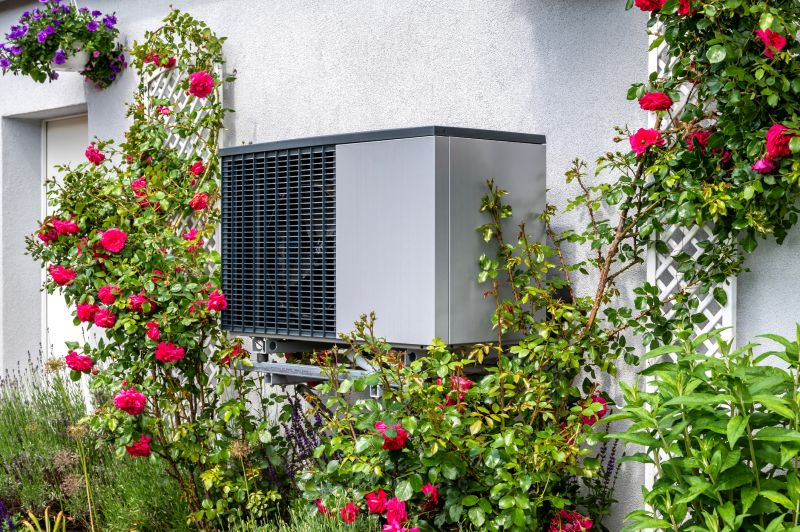
Scheduling during off-peak seasons can reduce installation costs and wait times.
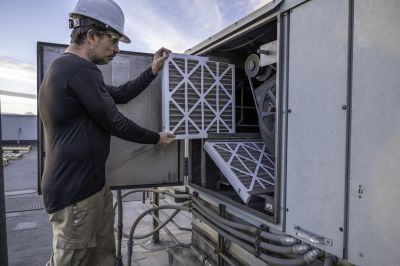
New systems are designed for easier installation and higher efficiency.
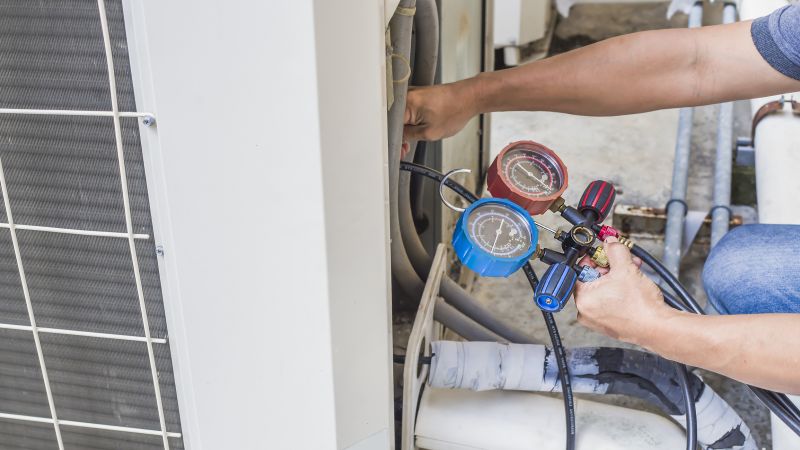
Little measurements that prevent headaches on Hvac System Replacements day.
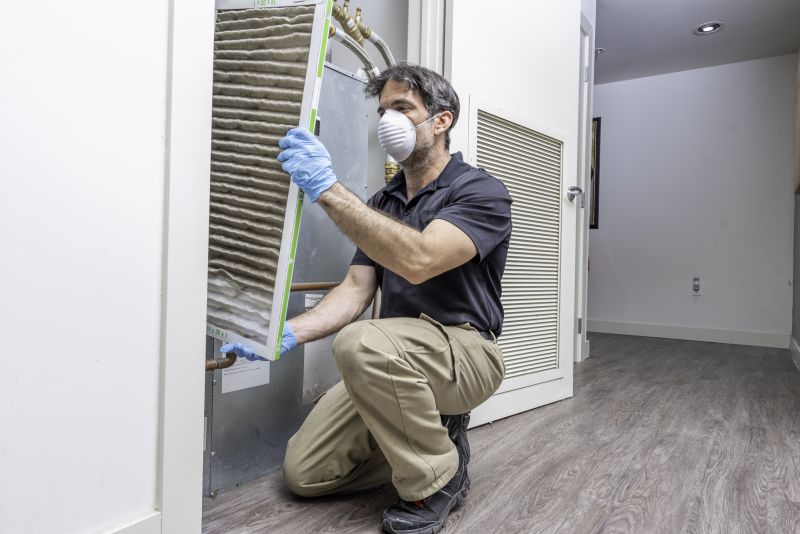
A 60-second routine that keeps Hvac System Replacements looking new.
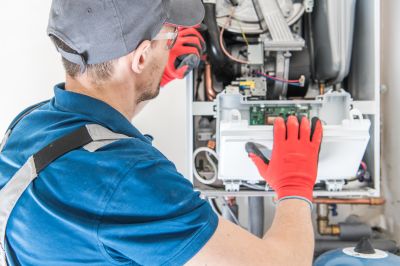
A frequent mistake in Hvac System Replacements and how to dodge it.
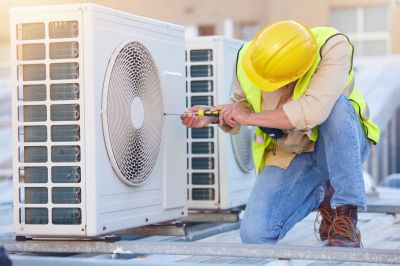
Small tweaks to make Hvac System Replacements safer and easier to use.
| Season | Advantages |
|---|---|
| Spring | Moderate weather, availability, less disruption |
| Summer | Potential for quick installation before peak cooling season |
| Fall | Cooler temperatures, preparation for winter |
| Winter | Less common, may face weather-related delays |
| Off-Season | Reduced costs, faster scheduling |
Choosing the right time for HVAC system replacement can enhance the efficiency and longevity of the new equipment. Proper planning ensures minimal inconvenience and maximizes the benefits of the upgrade. Consulting with professionals can help determine the most suitable timing based on specific needs and local climate conditions.
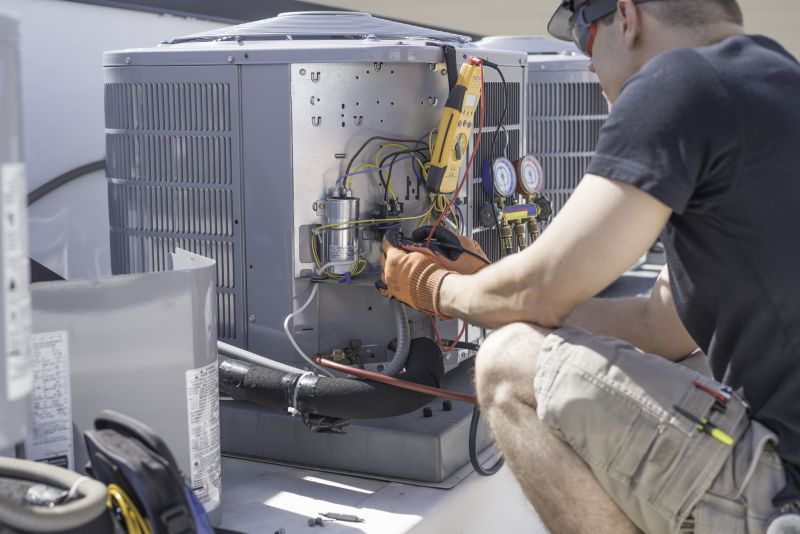
Proper timing ensures smooth installation and testing of the new system.
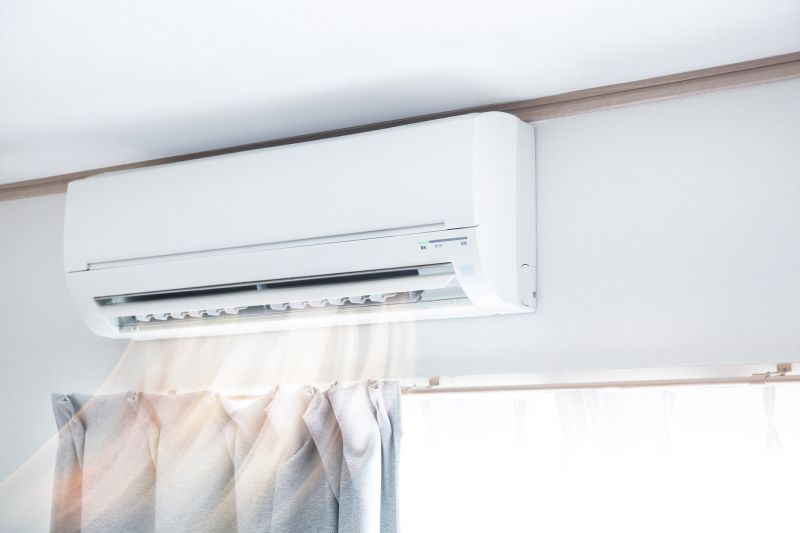
Up-to-date systems are more efficient and easier to install during favorable weather.
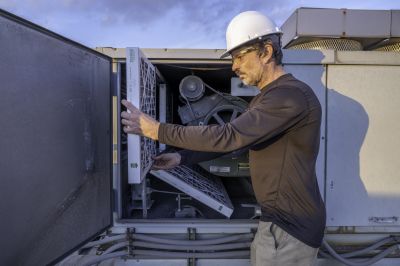
Scheduling during moderate seasons reduces risks associated with extreme weather.
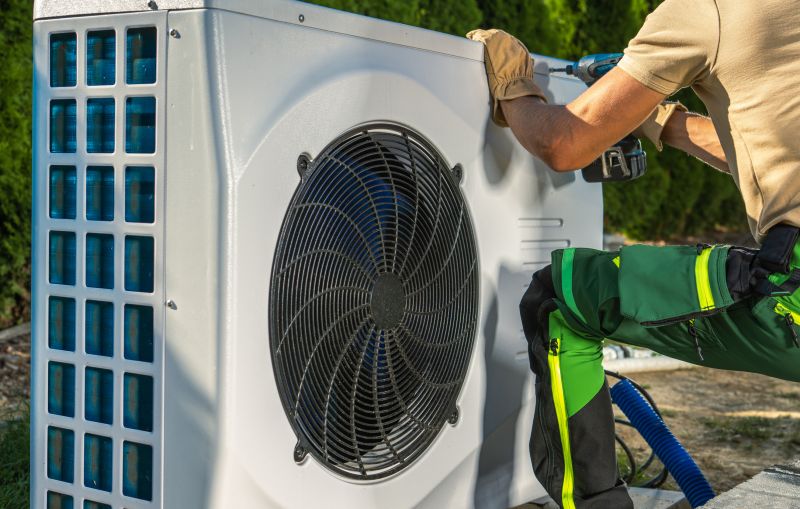
Timely replacement can lead to significant reductions in utility bills.
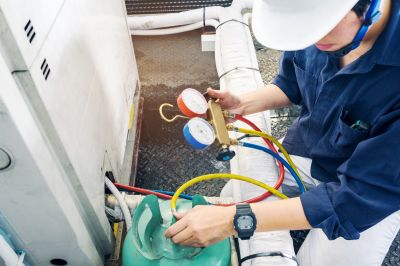
The short, realistic tool list for quality Hvac System Replacements.
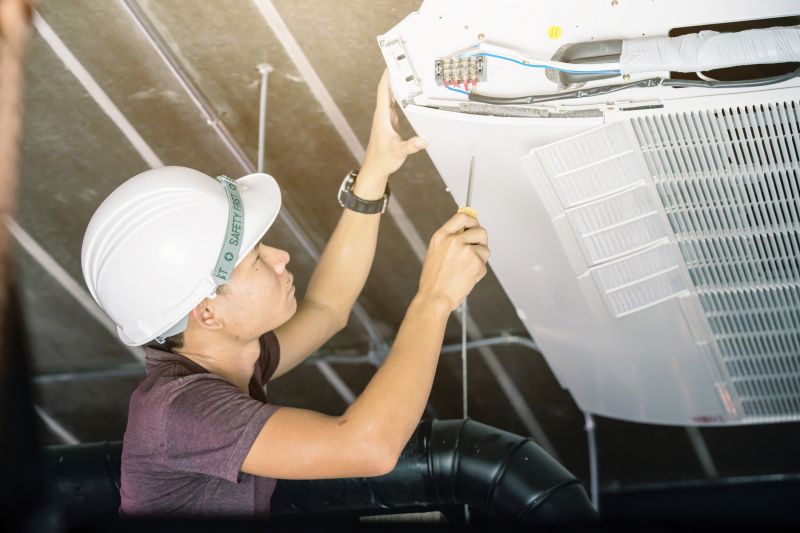
Rough timing from prep to clean-up for Hvac System Replacements.
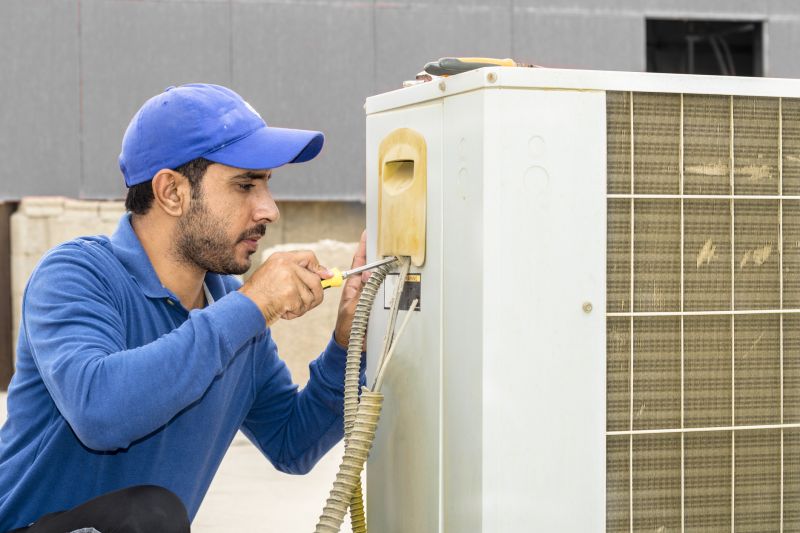
Quick checks and paperwork to keep after Hvac System Replacements.
Examples that show the impact a good Hvac System Replacements can make.
Individuals interested in upgrading their HVAC systems are encouraged to contact for further information. Proper timing and professional assistance can optimize system performance and energy savings.