
Top-Rated Products For HVAC System Replacements To Enhance Comfort
Find the best replacement options that help maintain consistent indoor temperatures and improve system reliability.
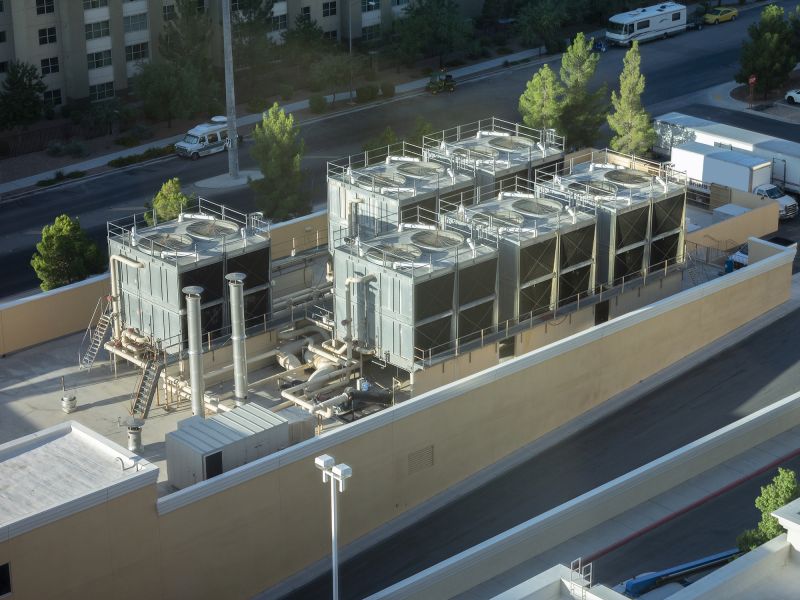 Upgrading or replacing an HVAC system involves selecting from a wide array of components designed to ensure efficient heating, ventilation, and air conditioning. When considering replacements, it is important to understand the different types of products available, their compatibility with existing systems, and their specific functions. From air handlers and condensers to thermostats and filters, each component plays a vital role in maintaining indoor comfort.
Top Overall Option
Comprehensive HVAC System Kit
A complete HVAC system kit typically includes essential components such as an air handler, condenser, thermostat, and necessary accessories. These kits are designed to provide a cohesive solution that can be tailored to various home sizes and configurations. They often feature user-friendly installation guides and compatibility with smart home systems, offering a versatile and integrated approach for system replacement.
Types of Products For Hvac System Replacements
Air Handlers
Devices that circulate conditioned air throughout the home, often customizable for different system sizes and configurations.
Condensers
Components that expel heat from the refrigerant, essential for cooling systems and compatible with various HVAC setups.
Thermostats
Controls that regulate temperature settings, with options ranging from basic models to advanced smart thermostats.
Evaporator Coils
Parts that absorb heat from indoor air, working in conjunction with condensers for cooling functions.
Furnace Blowers
Fans that distribute heated air from the furnace throughout the ductwork system.
Ductless Mini-Split Units
Compact, duct-free systems suitable for retrofit or supplemental heating and cooling needs.
Air Filters
Filtration systems that improve indoor air quality and protect system components.
Humidifiers and Dehumidifiers
Devices that control indoor humidity levels for comfort and system efficiency.
Vents and Registers
Outlet components that distribute conditioned air into living spaces.
Zone Control Systems
Systems that allow independent temperature regulation in different areas of a home.
Refrigerant Lines
Pipes that carry refrigerant between the condenser and evaporator for cooling functions.
Expansion Valves
Components that regulate refrigerant flow, crucial for system efficiency.
Popular Choices
Widely used for their ability to enable remote control and scheduling, compatible with many HVAC systems.
Growing in popularity for their flexibility and ease of installation in various spaces.
Popular for improving indoor air quality and reducing airborne contaminants.
Chosen for their energy-saving potential and performance in cooling systems.
Favored for their ability to modulate airflow and improve system efficiency.
Allow for zone-specific airflow control, enhancing comfort and energy management.
Popular for their ability to balance filtration quality with system airflow.
Commonly used for their scheduling capabilities to optimize system operation.
Increasingly used for real-time indoor air quality assessment and control.
Preferred for their reduced noise levels, especially in bedrooms and living areas.
Popular in retrofit projects and small spaces for flexible cooling and heating.
Chosen for their ability to exchange indoor and outdoor air efficiently.
Modern HVAC replacement options often include modular units that can be tailored to the size and layout of a property. These systems are engineered to optimize airflow, energy efficiency, and ease of installation. Many products are compatible with smart technology, allowing for remote monitoring and control, which can enhance convenience and system management.
Choosing the right products requires careful assessment of your current setup, budget, and specific needs. Whether upgrading a single component or replacing the entire system, understanding the features and specifications of each product type can help facilitate an informed decision. Proper installation and compatible parts are essential for ensuring system longevity and performance.
It is also beneficial to consider future maintenance and potential upgrades. Selecting high-quality, durable components can reduce the frequency of repairs and replacements over time. Consulting with HVAC professionals can provide additional insights and help identify the most suitable products for your home's requirements.
Key Buying Considerations
- Compatibility with existing HVAC infrastructure and ductwork.
- Efficiency ratings to help reduce energy consumption over time.
- System size and capacity appropriate for your space and usage needs.
- Ease of installation and maintenance requirements.
- Availability of smart features for remote control and scheduling.
- Noise levels during operation, especially for units installed near bedrooms or living areas.
- Durability and build quality to ensure long-term performance.
- Warranty coverage and customer support options.
- Compatibility with existing thermostats or the need for new control systems.
- Air filtration and purification capabilities to meet indoor air quality needs.
- Cost considerations, balancing initial investment with potential energy savings.
- Compliance with local building codes and regulations.
- Potential for future upgrades or system expansions.
- Brand reputation and user reviews to gauge reliability and satisfaction.
- Installation complexity and whether professional installation is recommended.
This content contains affiliate links. We may earn a commission if you make a purchase through these links, at no additional cost to you.